Wer meinen Blog liest weiß es: Seit wir uns 2014 beim ersten YarnCamp kennengelernt haben, treffen wir – Pia und ich – uns immermal wieder. In den sozialen Medien, am Telefon oder manchmal sogar im richtigen Leben.
Wir haben gleiche Interessen (allen voran Gleichberechtigung und Feminismus), einen ähnlichen Humor und – wer hätte das gedacht – eine Schwäche für schöne Garne … Darüberhinaus schätze ich Pias scharfen Verstand, die Geschwindigkeit in der sie denkt (und versteht), Ihre Art Dinge anzusprechen (und sie im Idealfall) zu bewegen. Kaum ein Gespräch mit ihr, das mir nicht mindestens einen Ansatz liefert, im Anschluß noch eine Weile darüber nachzudenken.
Wer Pia ein Stück begleiten möchte, findet sie z.B. auf Instagram unter dem Namen coloured akizu. (Akizu ist übrigens japanisch für Libelle).
Heute ist Pia Gastbloggerin bei Häkelmonster und schreibt über eines der Projekte, die sie zur Zeit auf den Nadeln hat. Ich bin tatsächlich sehr gespannt, ob ihr eine/r von Euch mit der Anleitung zum gesuchten Muster helfen kann. Aber lest selbst …
Es gibt zahlreiche Wege, auf denen meine Strickprojekte entstehen. Drei davon will ich hier beschreiben:
Da ist als erstes der komfortable Weg. Er ist anleitungsorientiert. In einer Strickzeitschrift oder einem Buch sehe ich ein schönes Modell. Entworfen zum Selberstricken. Gibt es die Anleitung dann noch in der richtigen Größe, aus einem tollen Material und in einer in Deutschland online einfach zu kaufenden Wolle, fühle ich mich ein bisschen wie im Strickparadies. Kaufen, Maschenprobe stricken, loslegen, fertig.
Der zweite Weg ist deutlich teurer: macht er mich doch zur Copycat fertiger Kleidungsstücke: Ich sehe ein schönes Teil, bestelle es mir mit dem festen Vorsatz, es gleich nach dem Auszählen zurückzusenden, um es dann doch zu bezahlen und in meine Garderobe aufzunehmen. So geschehen mit einem Loop, einer Strickjacke, einem Strickmantel, einer Mütze und einer Kissenhülle, mindestens. Letztere wurde selbstredend nicht Bestandteil meiner Garderobe.
Der dritte ist der leidenschaftlichste und zugleich auch schwierigste Weg. Denn bei ihm kommt der Impuls zum Projekt aus dem Material. Ich sehe Wolle. In genau der Farbe und dem Material, wie ich es schon immer haben wollte. Zur Abschätzung der Menge lege ich grob fest, was ich damit machen könnte, Pulli, Jacke, Tuch, Decke oder Tasche. Dann kaufe ich die Wolle und überlege mir erst nach dem Kauf, was ich tatsächlich damit anfangen werde.
Genauso ging es mir mit Royal Silk von katia. Weich, unfassbar weich vom Alpaka und zart, elegant seidenmatt glänzend durch die Seide. Blitzschnell sah ich einen Schal vor meinem geistigen Auge. „Schau mal, die ist reduziert,“ flüsterte Carina, „damit kannst du gar nichts falsch machen.“
 Ein neuer Schal also, 30 – 40 cm breit, 180 – 200 cm lang. Die Maße hatte ich schnell festgelegt, so viele Schnittvarianten gibt es bei einem Schal ja auch nicht. Mit dem Muster war (und ist) es nicht ganz so einfach. Ich liebe Lace und Zöpfe, Noppen, Ranken und Blätter. Mein japanisches Strickbuch ist voll von traumhaften Musterkombinationen.
Aaaaber – bei einem Schal müssen für mich beide Seiten schön sein. Das sind diese Muster leider nicht. Einfache Rippen-, Patent- oder Perlmuster erfüllen die Anforderung, sind aber (ein bisschen) langweilig (zu stricken).
 Ratlosigkeit. Bis mir meine alte, gekaufte Strickjacke mit Schalkragen einfiel. Ein tolles Muster, wie ich finde. Ich bin schon ewig auf der Suche nach einer Strickanleitung für dieses Muster. Bisher ergebnislos. Drei-Drei-Maschen im Wechsel, die mittlere bleibt, die anderen ziehen sich zusammen und gehen wieder auseinander. Oder so. Einfacher gedacht, als gestrickt. Ich habe ziemlich viel rumgetüftelt, verschiedene Nadelstärken ausprobiert und das Dreiermuster in unterschiedlichen Rapporthöhen wiederholt. Ich war sogar ganz kurz mal beim Schmetterlingsstich und einem Rapport über 5 Maschen. Angeschlagen, gestrickt, verworfen, aufgezogen. Viele Male. Am Ende habe ich eine schöne Lösung gefunden und bin zufrieden.
 Das Muster passt perfekt zur Textur der Wolle. Der Schal wird toll. Ein klitzekleiner Wermutstropfen bleibt dennoch, weil ich das eigentliche Muster nicht rausbekommen habe. Mein Muster ist zweifelsohne schön, aber es sieht nicht aus wie der Schalkragen der Jacke.
Hat vielleicht eine von euch eine Idee? Eine Musterlösung für mich?
Pia >j<





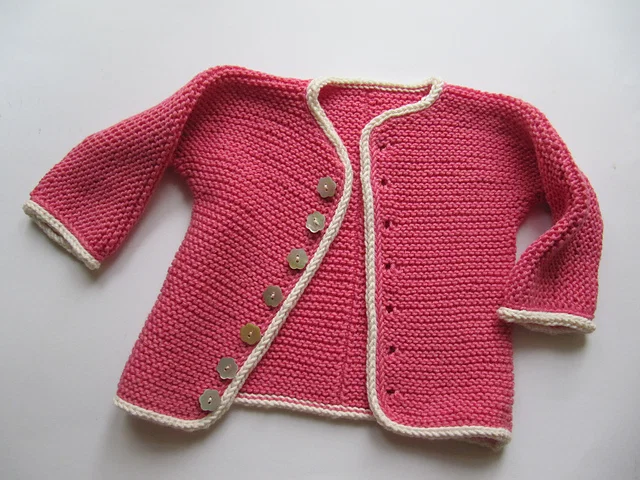 Die Blümchen-Knöpfe sind übrigens auch von Drops. Ich habe sie bei
  Etappenziel ist die Jugend-Bundesliga, Berufswunsch ein Platz in der NBA. Bis dahin ist es allerdings noch ein weiter Weg – im wahrsten Sinne des Wortes. So hat er ein Laufprogramm für die Ferien, das es in sich hat.
 Um also den Leistungssportler zu motivieren, habe ich ihm angeboten mit ihm zu laufen. Die Aufgabe für den Tag waren 35 Minuten, in einem Tempo, bei dem man sich nicht mehr unterhalten kann. Draußen waren ungefähr 30°C.
 Damit der Post nicht bilderlos bleibt, habe ich Frankreich-Ferien-Bilder dazwischen geklebt. Passt zwar nicht richtig, aber macht ja nichts. Ein Ball ist drauf, ein Skateboard und ein hüpfendes Kind. Das gilt.
 Was soll ich sagen? Das Tuch fühlt sich toll an, das Maschenbild ist ebenmäßiger und die Ränder genauso wie ich sie haben wollte. Trotzdem mache ich das nie wieder (glaube ich) – weil es eben doch gruselig ist.